
Risk Stratification Score Improves Sensitivity for Advanced Colorectal Neoplasia in Colorectal Cancer Screening: The Oshima Study Workgroup
Noninvasive colorectal cancer (CRC) screening methods with higher sensitivity than the fecal immunochemical test (FIT) alone are warranted. Analysis of data from a prospective cohort in Izu Oshima, Japan. Data included asymptomatic individuals age 40–79 years who underwent both 2-day quantitative FIT and screening colonoscopy. The 8-point risk score remarkably increased the sensitivity for ACN, particularly for right-sided ACN. The risk score and FIT combination have the potential to become a vi
Smoking, Genetic Predisposition, and Colorectal Cancer Risk
Smoking and genetic predisposition are established risk factors for colorectal cancer. A PRS above the 90th percentile was significantly associated with a 3.6-, 4.3-, and 6.4-fold increased risk. Smoking and the PRS carry essentially independent CRC risk information. Abstinence from smoking can compensate for a substantial proportion of genetically determined CRC risk.
Lymph Node Tumor Burden Correlates With Tumor Budding and Poorly Differentiated Clusters: A New Prognostic Factor in Colorectal Carcinoma?
Molecular lymph node (LN) staging in early colorectal cancer has demonstrated to be more precise than conventional histopathology pN staging. 5,931 LNs from 342 stage I–III CRC was analyzed by both hematoxylin and eosin. Tumor Budding was low in 45% of cases. TB and PDC correlated with high-grade, lymphovascular, and perineural invasion, pT, pN, and stage.More sensitive molecular methods to assess LN status are a promising alternative approach to pN staging.
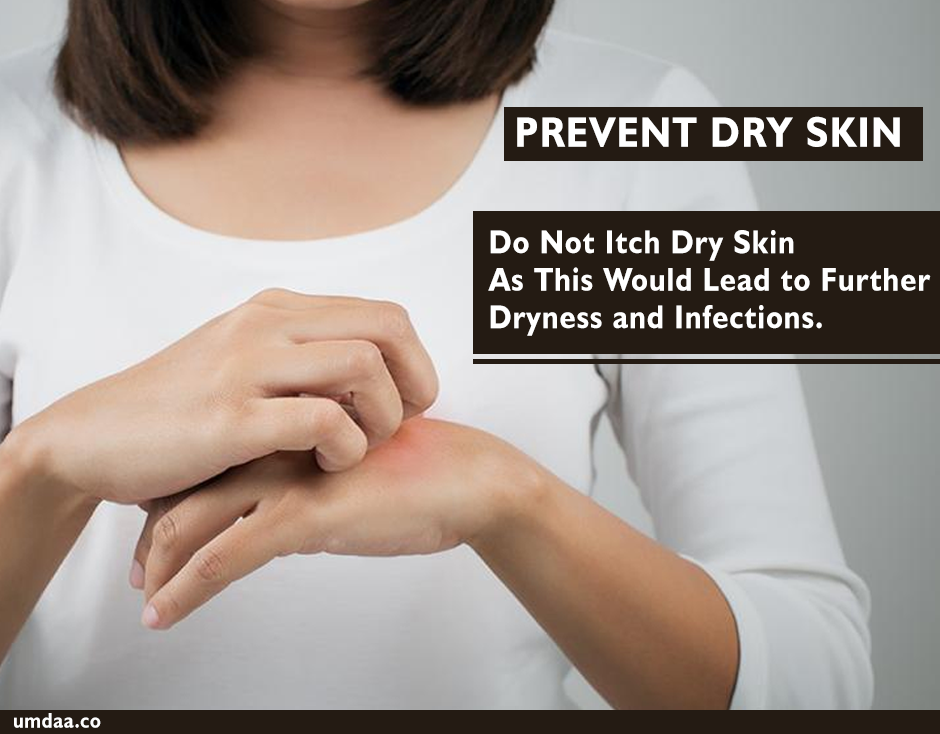
Dry Skin
Dry skin is an uncomfortable condition marked by scaling, itching, and cracking. It can occur for a variety of reasons. You might have naturally dry skin. But even if your skin tends to be oily, you can develop dry skin from time to time. Dry skin can affect any part of your body.Dry skin isn't usually serious. In most cases, it's caused by factors like hot or cold weather, low moisture in the air, and soaking in hot water. You can do a lot on your own to improve your skin, including using moist
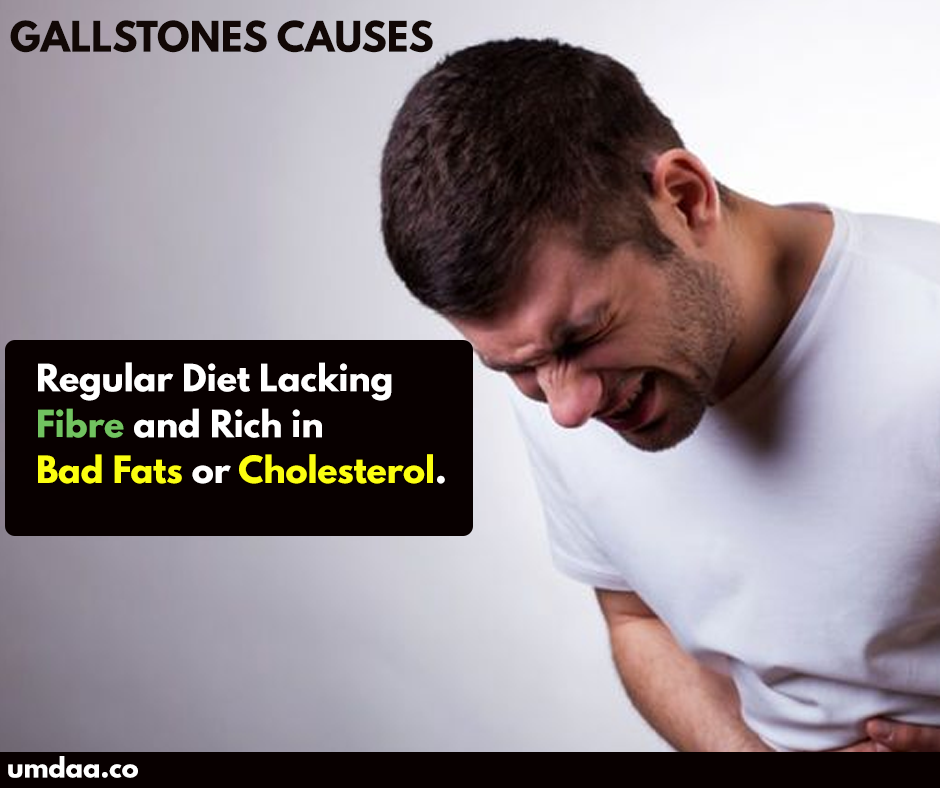
Gallstone Cause
What causes gallstones? Gallstones are thought to develop because of an imbalance in the chemical make-up of bile inside the gallbladder. In most cases, the cholesterol levels in bile become too high, and the excess cholesterol forms into stones. Gallstones may go away on their own, but typically they do not and treatment may be required. Gallstones may not always cause symptoms, and in those cases, dietary changes may be all that is needed to prevent complications.

Covid19 new Strains
A combination of a large asymptomatic population and the presence of more infectious variants of the virus during the second wave, which is much steeper than the first wave that peaked in September, continues to transmit the virus even to those who are staying indoors. For instance, the UK strain detected in a significant proportion during genome surveillance in Delhi and Punjab, has shown a 50% higher transmission, according to the US Centers for Disease Control and Prevention (CDC). The L452R
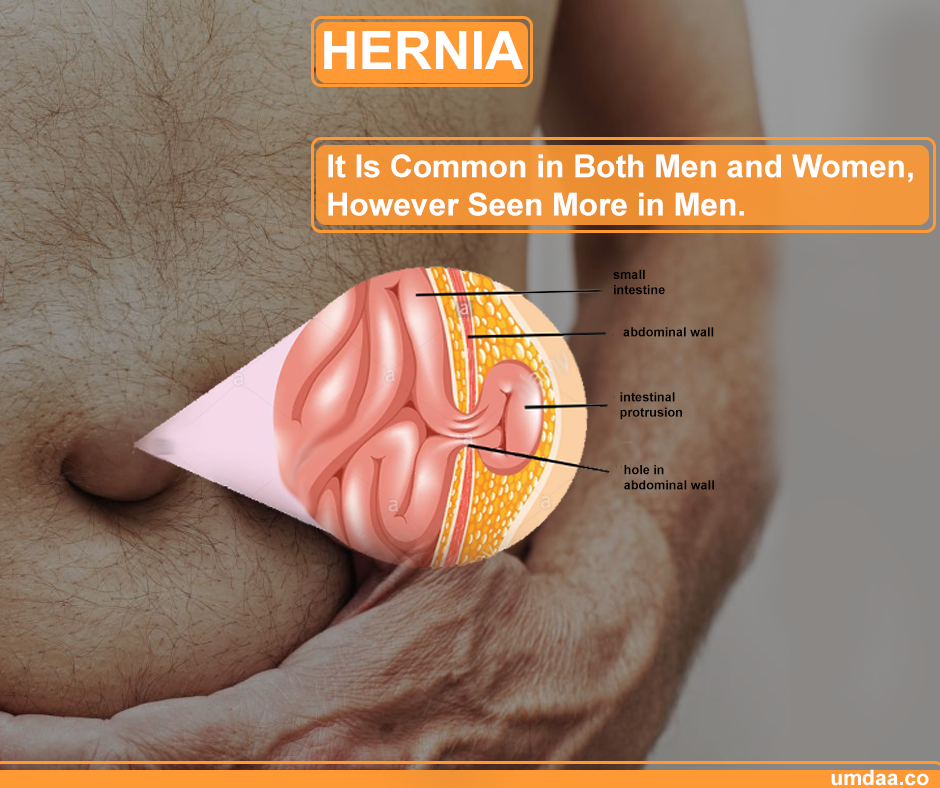
Hernia
A hernia is the abnormal exit of tissue or an organ, such as the bowel, through the wall of the cavity in which it normally resides. Hernias come in a number of types. Most commonly they involve the abdomen, specifically the groin. Groin hernias are most commonly of the inguinal type but may also be femoral
No benefit of hydroxychloroquine in COVID-19: Results of Systematic Review and Meta-Analysis of Randomized Controlled Trials
Coronavirus pandemic is currently a global public health emergency with no definitive treatment guidelines. We conducted a systematic review and meta-analysis of the literature evaluating the efficacy of hydroxychloroquine and its related formulations in COVID-19 patients.
Recent Posts
-

-

What Causes Sciatica | Dr. Kalyan Bommakanti
11 May 2022 -
