
Nanoparticles in pregnancy: the next frontier in reproductive therapeutics
Pre-clinical research in the development of nanoparticle therapeutic delivery is being undertaken in many fields of reproductive medicine. Non-hormonal-targeted nanoparticle therapy for fibroids and endometriosis may provide fertility-sparing medical management. Nanotherapeutic delivery offers options to stably deliver silencing RNA and microRNA inhibitors to the placenta. Alternatively, targeted delivery of drugs to the fetus may minimize side effects for the mother.

Performance of Salamanca refinement of the T3-AJCC8 versus the Brigham and Women's Hospital and Tübingen alternative staging systems for high-risk cutaneous squamous cell carcinoma
Salamanca and Salamanca's systems were more distinctive, homogeneous, and monotonic than the Tuebingen system. The negative predictive value was high in all 3 systems, but the positive predictive value and accuracy were low overall.

Detection of α-synuclein in CSF by RT-QuIC in patients with isolated rapid-eye-movement sleep behaviour disorder: a longitudinal observational study
Isolated rapid-eye-movement (REM) sleep behavior disorder (IRBD) can be part of the prodromal stage of the alpha-synucleinopathies Parkinson's disease and dementia with Lewy bodies. Real-time quaking-induced conversion analysis of CSF has high sensitivity and specificity for the detection of misfolded alpha-synuclein. 52 patients with IRBD and 40 healthy controls underwent lumbar puncture between March 23, 2008, and July 16, 2017.
Safety and efficacy of tilavonemab in progressive supranuclear palsy: a phase 2, randomised, placebo-controlled trial
Tilavonemab (ABBV-8E12) is a monoclonal antibody that binds to the N-terminus of human tau. Progressive supranuclear palsy is a neurodegenerative disorder associated with tau protein aggregation. No beneficial treatment effects were recorded for progressive supranuclear palsy.

Circulating collagen neo-epitopes and their role in the prediction of fibrosis in patients with systemic sclerosis: a multicentre cohort study
Extracellular matrix remodeling is a hallmark of systemic sclerosis. Matrix neo-epitopes could be used in clinical practice to risk-stratify patients at risk of fibrosis. The turnover ratio of type IV collagen predicted skin progression in a multivariable model adjusted for modified Rodnan skin score, sex, and age.
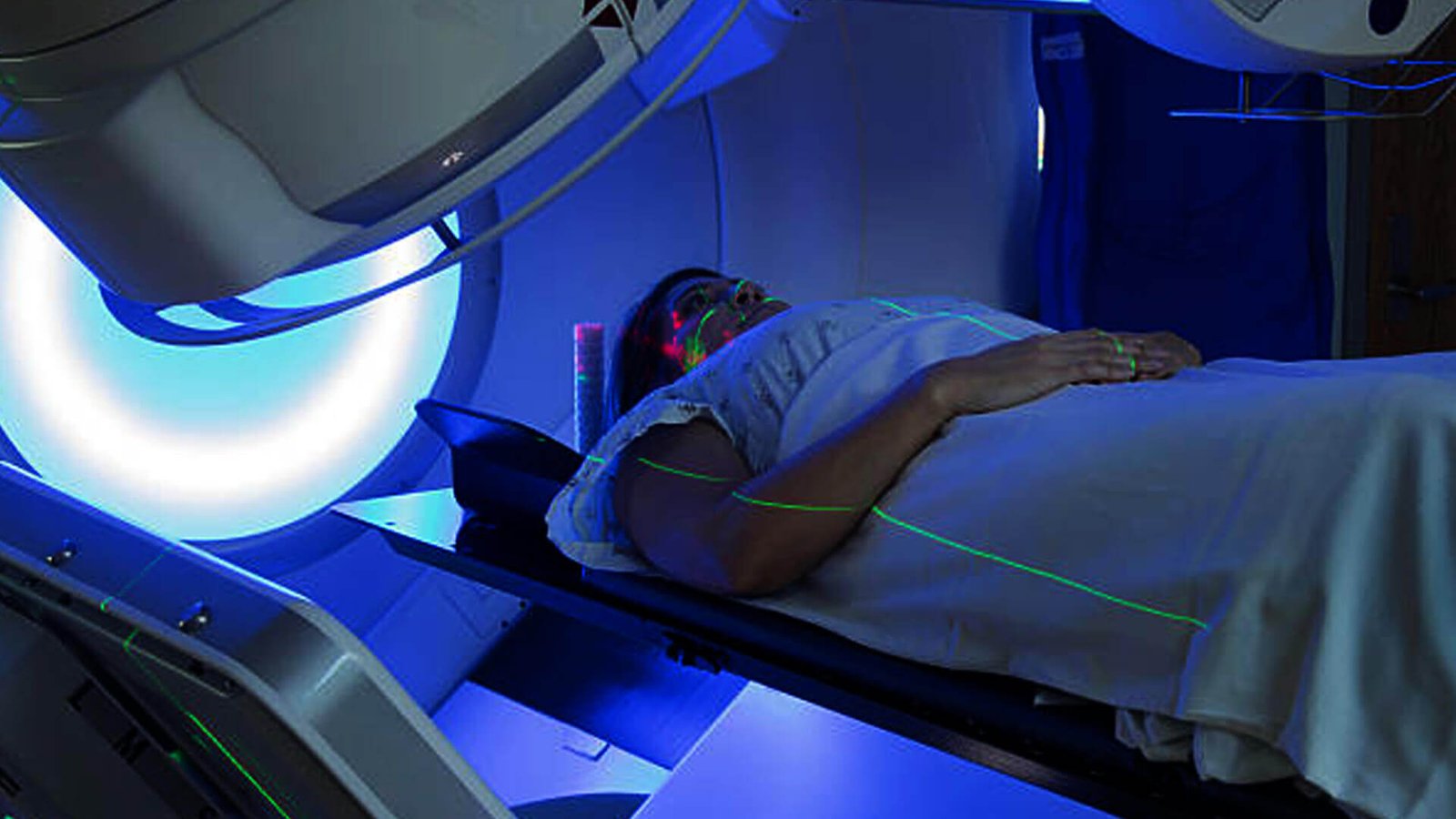
4 Gy versus 24 Gy radiotherapy for follicular and marginal zone lymphoma (FoRT): long-term follow-up of a multicentre, randomised, phase 3, non-inferiority trial
The optimal radiotherapy dose for indolent non-Hodgkin lymphoma is uncertain. We aimed to compare 24 Gy in 12 fractions with 4 Gy in two fractions (low-dose radiation) FoRT (Follicular Radiotherapy Trial) is a randomized, multicentre, phase 3, non-inferiority trial. The optimal radiotherapy dose for indolent lymphoma is 24 Gy.

Colonoscopist Performance and Colorectal Cancer Risk After Adenoma Removal to Stratify Surveillance: Two Nationwide Observational Studies
Colonoscopy surveillance after adenoma removal is an increasing burden in many countries. Surveillance recommendations consider characteristics of removed adenomas. Findings were validated in the Austrian colonoscopy screening program. Endoscopist performance may be an important contributor to polyp characteristics in determining colorectal cancer risk after colonoscopy screening.

Deep Neural Networks Can Predict New-Onset Atrial Fibrillation From the 12-Lead ECG and Help Identify Those at Risk of Atrial Fibrillation–Related Stroke
Atrial fibrillation (AF) is associated with substantial morbidity, especially when it goes undetected. Deep neural networks were trained to predict new-onset AF (within 1 year) in patients without a history of AF. We identified patients at risk for AF-related stroke among those predicted to be high risk by the model.
Recent Posts
-
-

What Causes Sciatica | Dr. Kalyan Bommakanti
11 May 2022 -
